Where the in-between becomes a little less lonely.
My practice specializes in therapy with people 60+ and caregivers (of all ages)facing things like chronic illness, grief, loneliness, compassion fatigue, and that feeling of becoming invisible as they age. People show up at all different points. Maybe retirement didn’t feel as free as you thought. Maybe your body isn’t doing what it used to. Maybe loss has left you lonelier than you expected. Or maybe you’re worn out from caregiving. Others may be making impossible decisions about long-term care. Some people have done therapy before, and it helped. Others tried it, and it didn’t go anywhere, or they’ve just never been sure it was for them. All of that makes sense.
I also care a lot about making a safe place for LGBTQ+ elders. Much of what they face is specific to aging itself. Worrying about being closeted again with a home health aide or in assisted living. Chosen family not always being let in the room when it matters. Caring for biological family who weren’t always accepting can stir up old wounds, even while you’re the one showing up for them. Some people isolate rather than risk a new doctor or aide not understanding. And for the AIDS generation, caring for people again, all these years later, can bring back a lot of old sorrow. Everyone is welcome here.
The name Middle Way comes from a Buddhist idea, finding a way between extremes. That fits aging pretty well, I think. You’re often holding two things at once: accepting what’s changed while still asking what’s possible, grieving what’s gone while noticing what’s still here, wanting to stay independent while needing people more than you used to. For caregivers, it’s caring for someone else while remembering to care for yourself. There aren’t always good answers for these transitions. Often what people need most is someone who asks how they’re doing and listens closely enough to really hear the answer.
I’m an older lesbian therapist, and I’m in-network with Traditional (Original) Medicare and Aetna Medicare Advantage, so cost is often less of a barrier than people expect. I keep my caseload small so I can be fully present with every person I see. We’ll talk about what’s going on, figure out what might help, and go at a pace that makes sense.
The first few sessions are about getting to know each other and seeing if it feels like a good fit. If you have questions, call, email, or text. You don’t need to have anything figured out before reaching out.
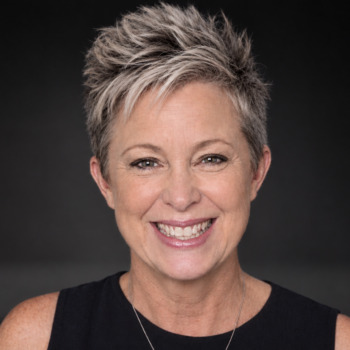
Dr. Elizabeth "Elspeth" Mellin
LMHC, LPC, ACS